Polymarket Trading Strategy: How to Automate It
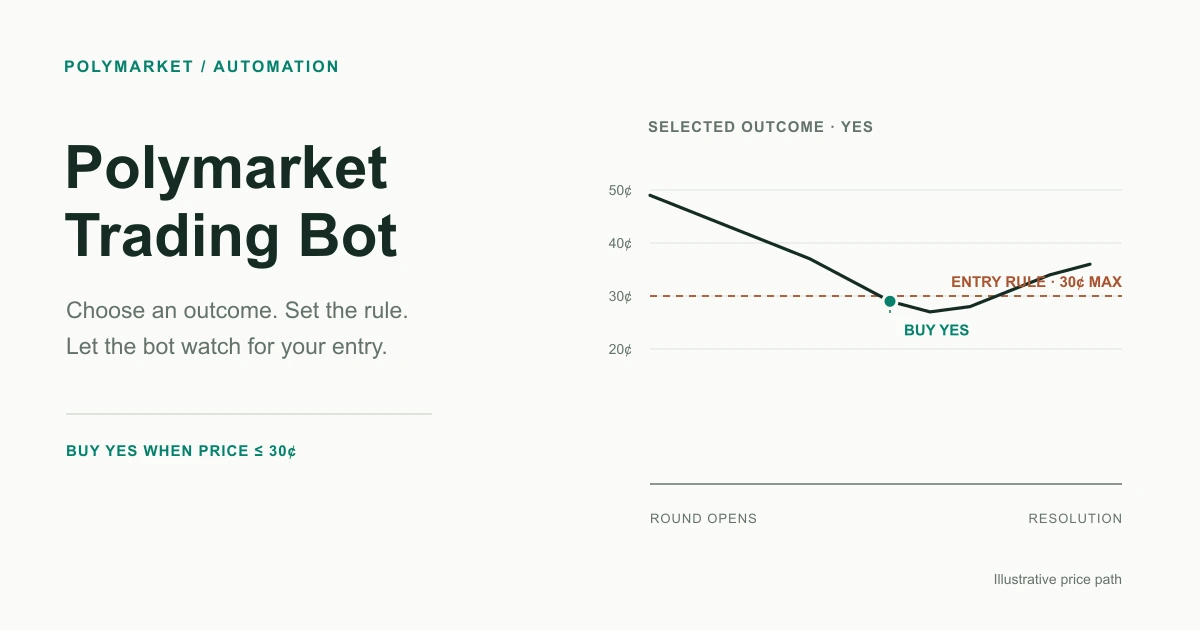
Combine outside data like weather forecasts or Binance prices with Polymarket order rules—then inspect the generated DSL before running it.
Find your next read
A question, a strategy, a tool.
Find the story that helps it make sense.
All 30 stories
Try a broader topic, like “Polymarket” or “backtesting”, or check the spelling.
Browse all storiesCombine outside data like weather forecasts or Binance prices with Polymarket order rules—then inspect the generated DSL before running it.
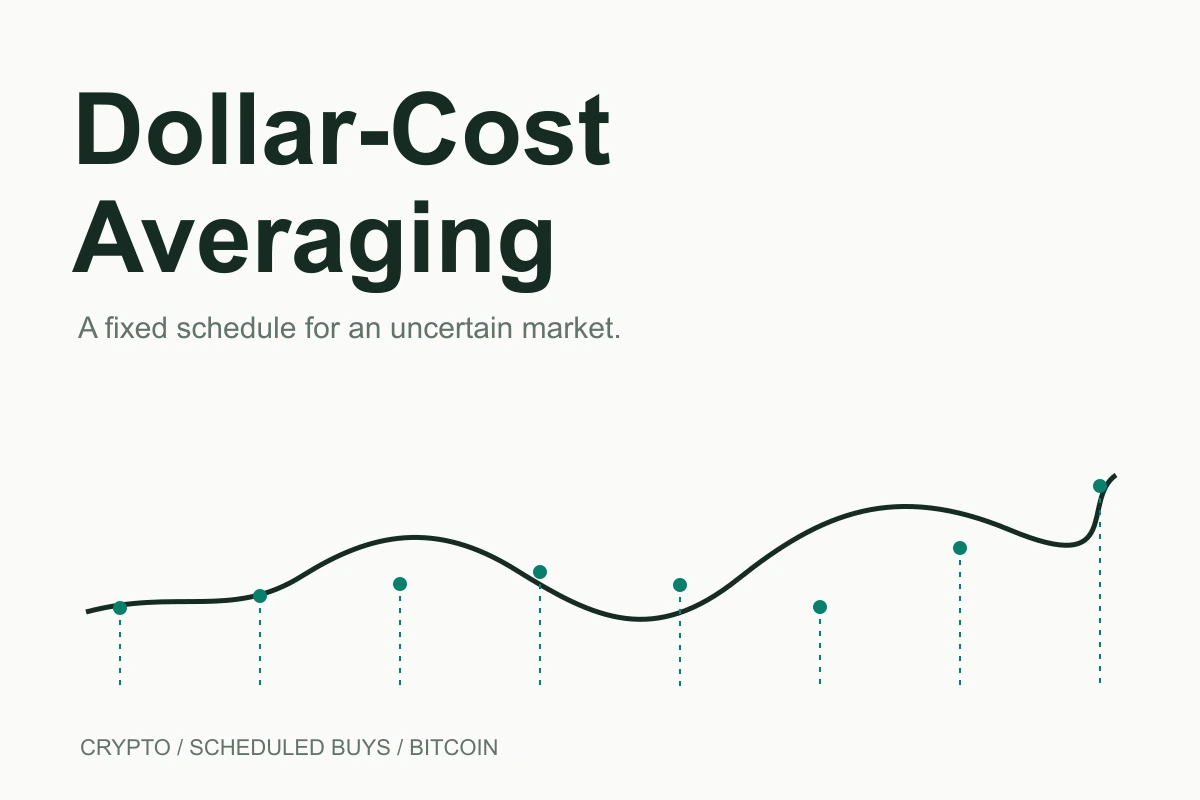
A practical guide to crypto DCA: understand scheduled Bitcoin purchases, compare new income with lump sums, and define a strategy before automating it.
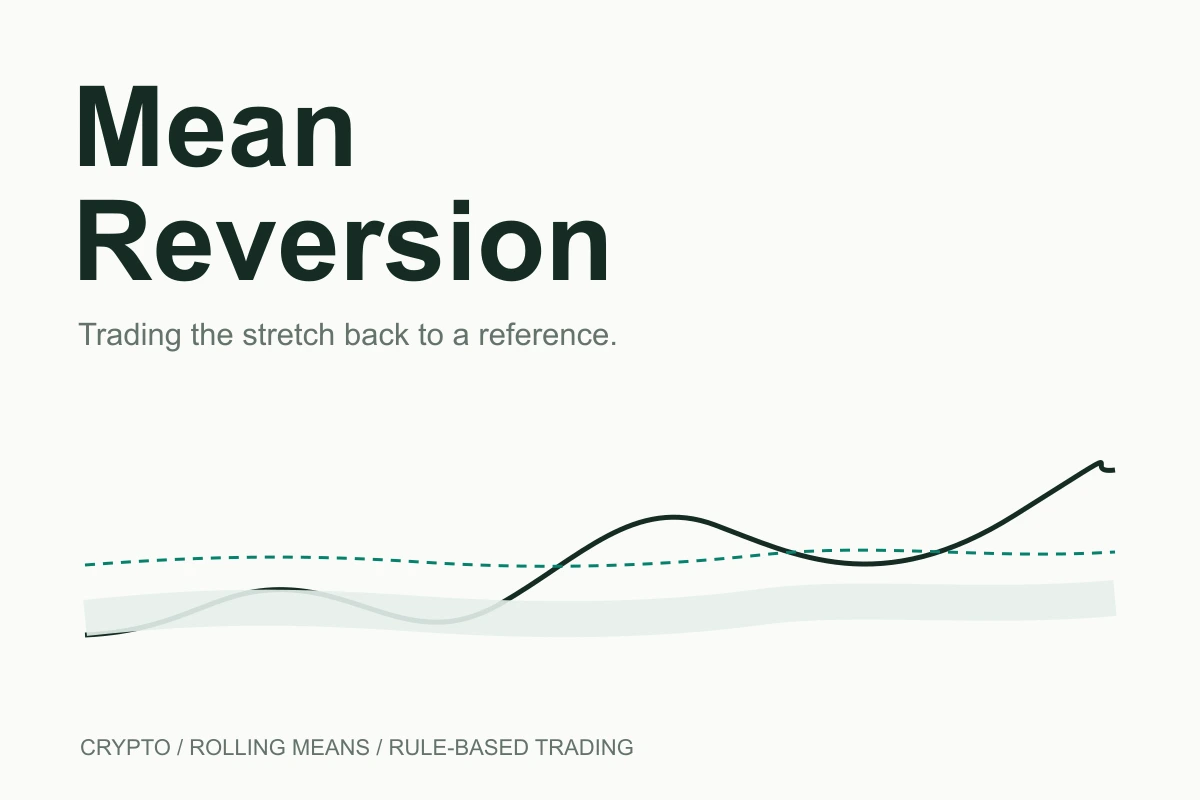
A practical guide to mean reversion in crypto: define the reference mean, build a BTC example, and test what happens when the rebound never arrives.
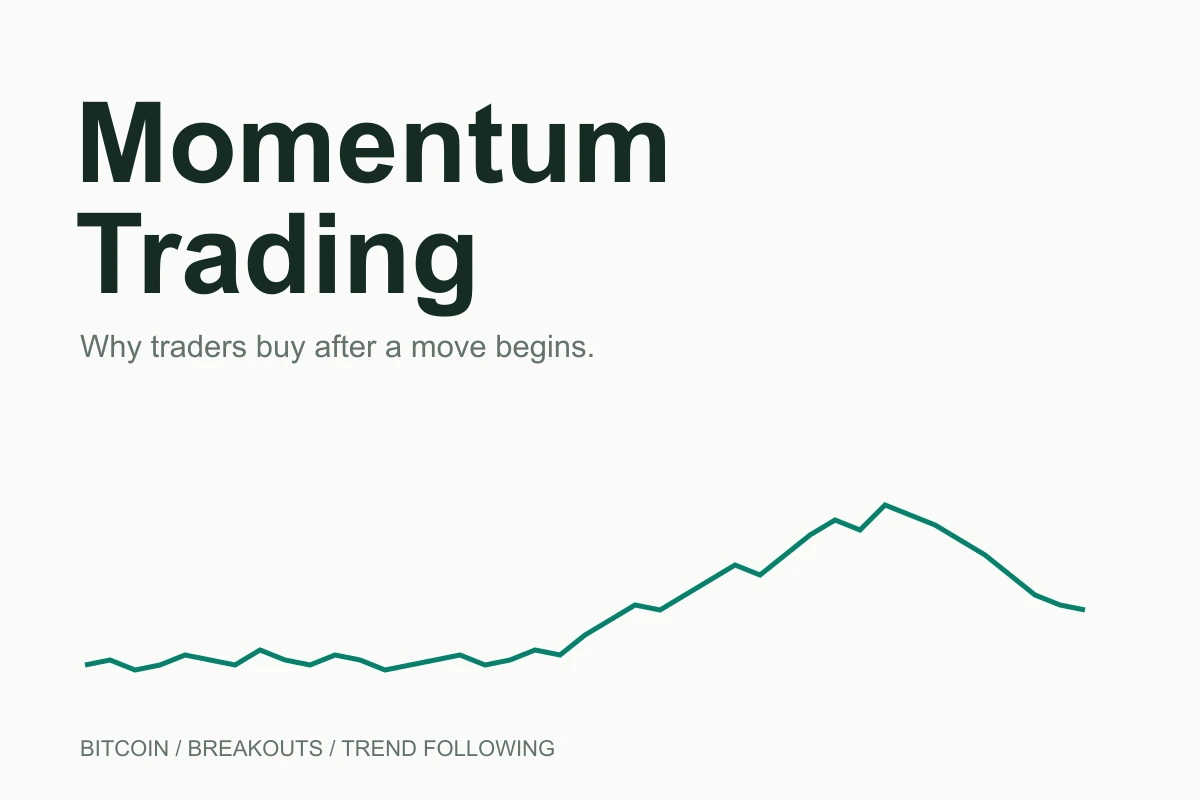
Why buy after a move begins? Follow a Bitcoin Donchian breakout example through entry, exit, false starts, and the choices that shape your strategy.
Follow one hypothetical result from an 80% return to its drawdown, recovery time, and trade distribution, then decide what fits your own capital and risk tolerance.
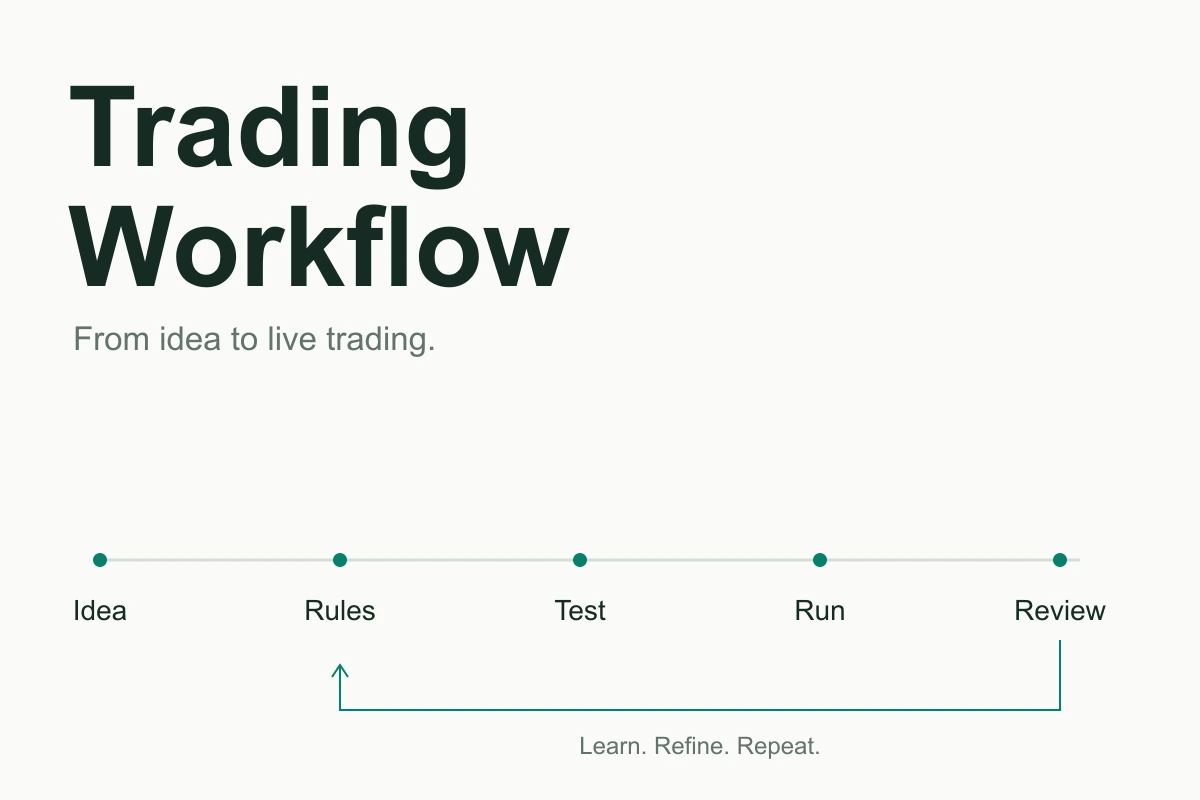
Follow one trading idea from a written hypothesis to tested rules, paper observations, live orders, and the next strategy version.
We earmarked $100 a week for Bitcoin and Ethereum, then compared automatic weekly buying with RSI and MACD filters in HeyTraders.
Turn a trading idea into a testable strategy. Understand the results, the three major biases, and the execution details that change a backtest.
From recurring purchases to custom strategies, learn what a crypto trading bot can automate and what to define before running one.
A bot that can place an order is only part of the decision. Follow one strategy from idea to monitored live execution before choosing an automated trading platform.
Compare Polymarket terminals by the work you need to do: follow related markets, inspect the order book, prepare orders on a chart, and manage supported exit instructions.
AI backtesting converts a plain-English trading idea into precise rules, runs those rules on historical data, and helps you inspect risk before considering live automation.
A Polymarket trading bot monitors markets and submits signed orders from predefined rules. Learn how the automation loop works, what you can automate, and where the real risks are.
Algorithmic trading uses pre-defined rules to place and manage orders automatically. Here's how algo trading works, its pros and cons, and how to start without code.
Natural language trading turns a plain-English strategy description into executable code, a backtest, and live signals — no coding required. Here is how it works.
Polymarket natively supports only limit orders. Here is a complete overview of algo order types — stop loss, take profit, trailing stop, grid, OCO, TWAP — and how to add them.
A step-by-step guide to backtesting a trading strategy: the data you need, how to avoid overfitting and look-ahead bias, reading key metrics, and forward testing.
A plain-English guide to crypto trading bots: what they are, the main types, how to use one safely, and how no-code natural-language bots turn a plain idea into an executable strategy.
Set a downside exit in the HeyTraders Polymarket terminal. See the actual SL controls, choose a trigger and execution type, and review the order beside your chart.
How AI trading works end to end: from a plain-English idea to AI-generated strategy, backtest, and live signals — plus what AI can and cannot do, and the risks.
A plain-English guide to grid trading: laddered buy and sell orders across a price range, why grids thrive in ranging markets, their trend risks, and how bots automate the process.
A resting sell limit and a conditional take-profit trigger are not the same thing. See how to plan profit-taking with the HeyTraders Polymarket terminal's TP/SL controls.
A plain-English overview of five common Bitcoin trading strategies, when each one fits market conditions, and how to backtest them before risking capital.
Polymarket doesn't offer trailing stops natively. Here's how activation price and trailing delta work, and how to add a trailing stop with an automation tool like Hey-Traders.
A trailing stop loss follows price in your favor and triggers only after a set pullback, helping you protect profits without capping upside. Here is how it works.
Polymarket supports only limit and market orders natively. Here is how grid trading works, where it fits range-bound prediction prices, and how to set one up with Hey-Traders.
Describe a trading rule, inspect the generated strategy, and review a real HeyTraders backtest workspace before choosing paper or live execution.
A plain-English guide to Sharpe ratio, maximum drawdown, and win rate—what each metric means, why win rate alone misleads, and how to read them together.
A beginner-friendly guide to crypto perpetual futures: funding rate, leverage, liquidation, going long vs short, and how stop losses help manage risk.
A practical tour of five reusable trading strategy templates (RSI, MA crossover, breakout, grid, DCA), the logic behind each, and how to adapt and backtest them.